WE BREATHE LIFE INTO A GARDEN, TRANSFORMING A CONFINED SPACE INTO AN ORGANIC OASIS
From the initial stages of the project, we saw the clear integration of the interior and exterior of this family home, and therefore the need to work in harmony with Teresa Cabaní, the interior designer of the project.
The evolution of the work clearly demonstrated the tangible benefits of approaching the design in an integral way, achieving great results on many levels: aesthetic, functional, in terms of time and construction costs, and in the way the place is inhabited.
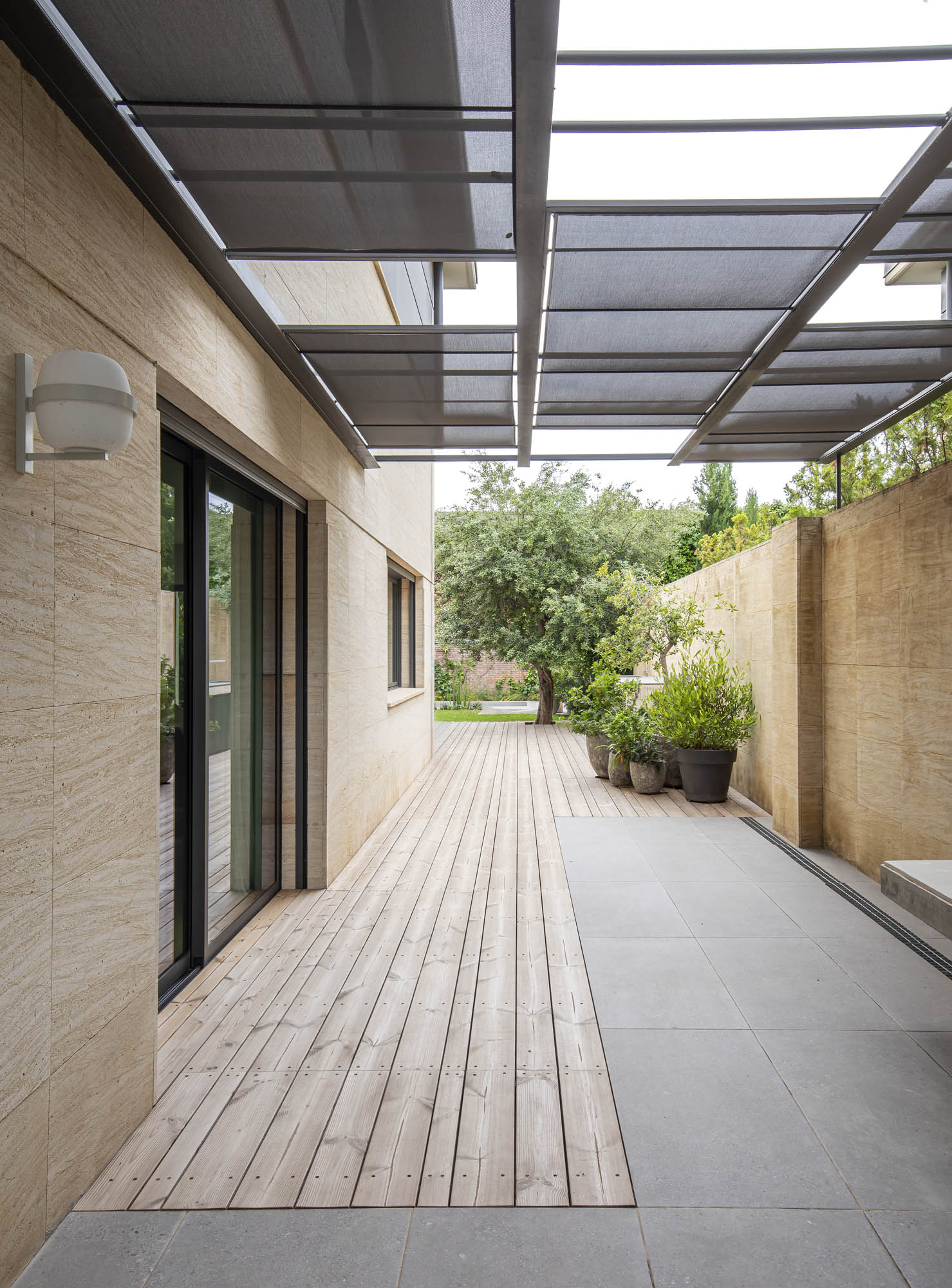
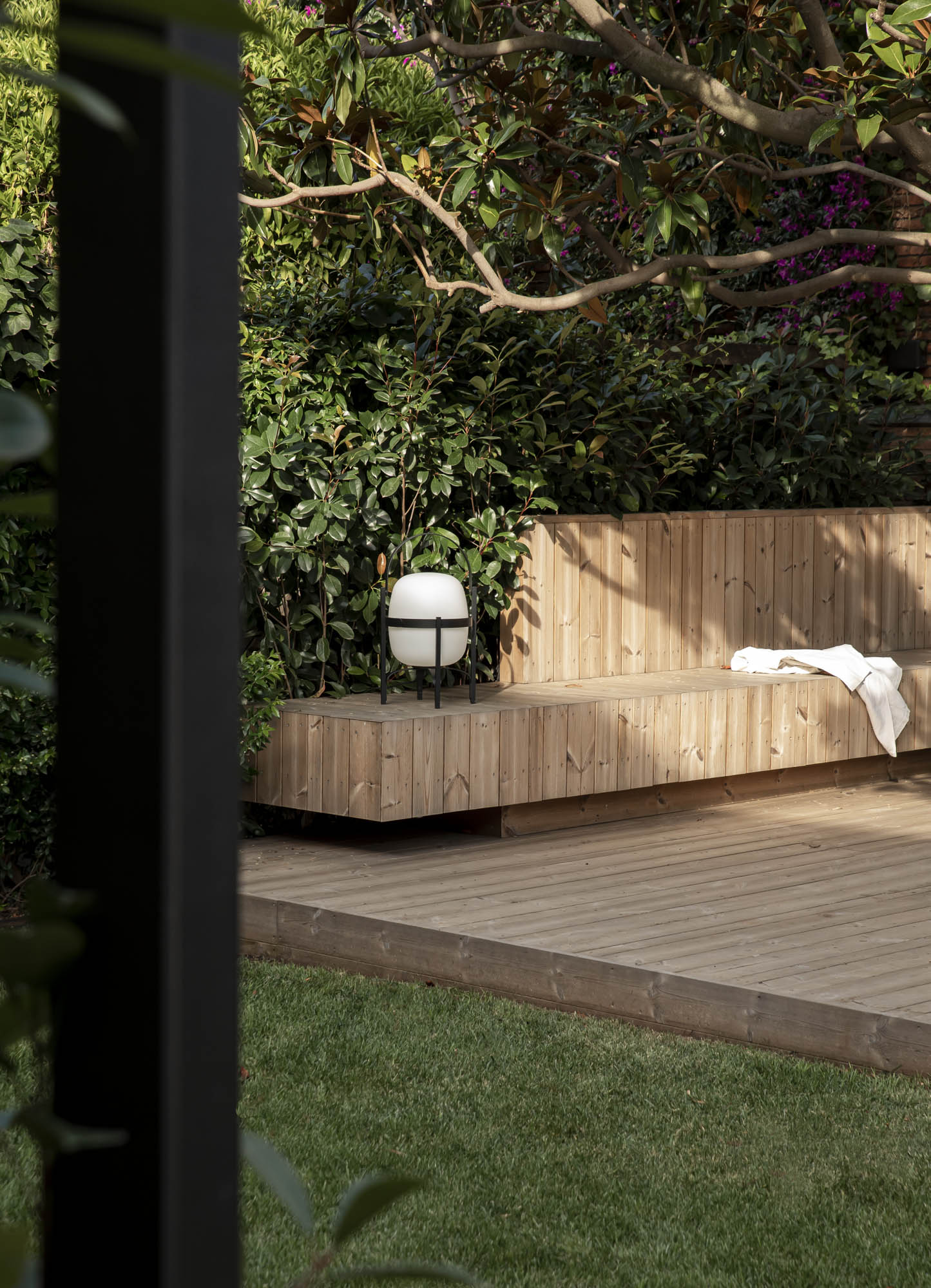
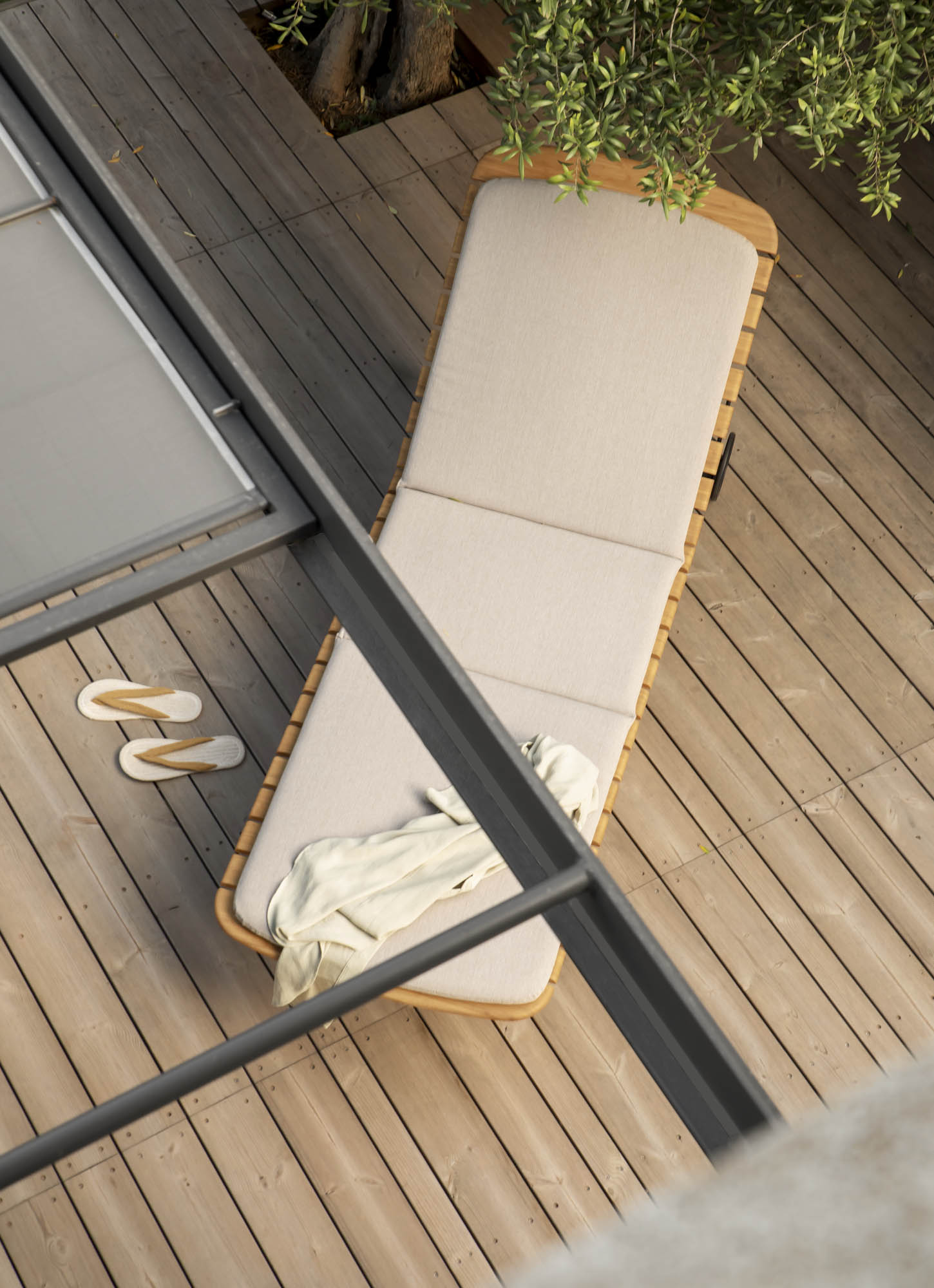
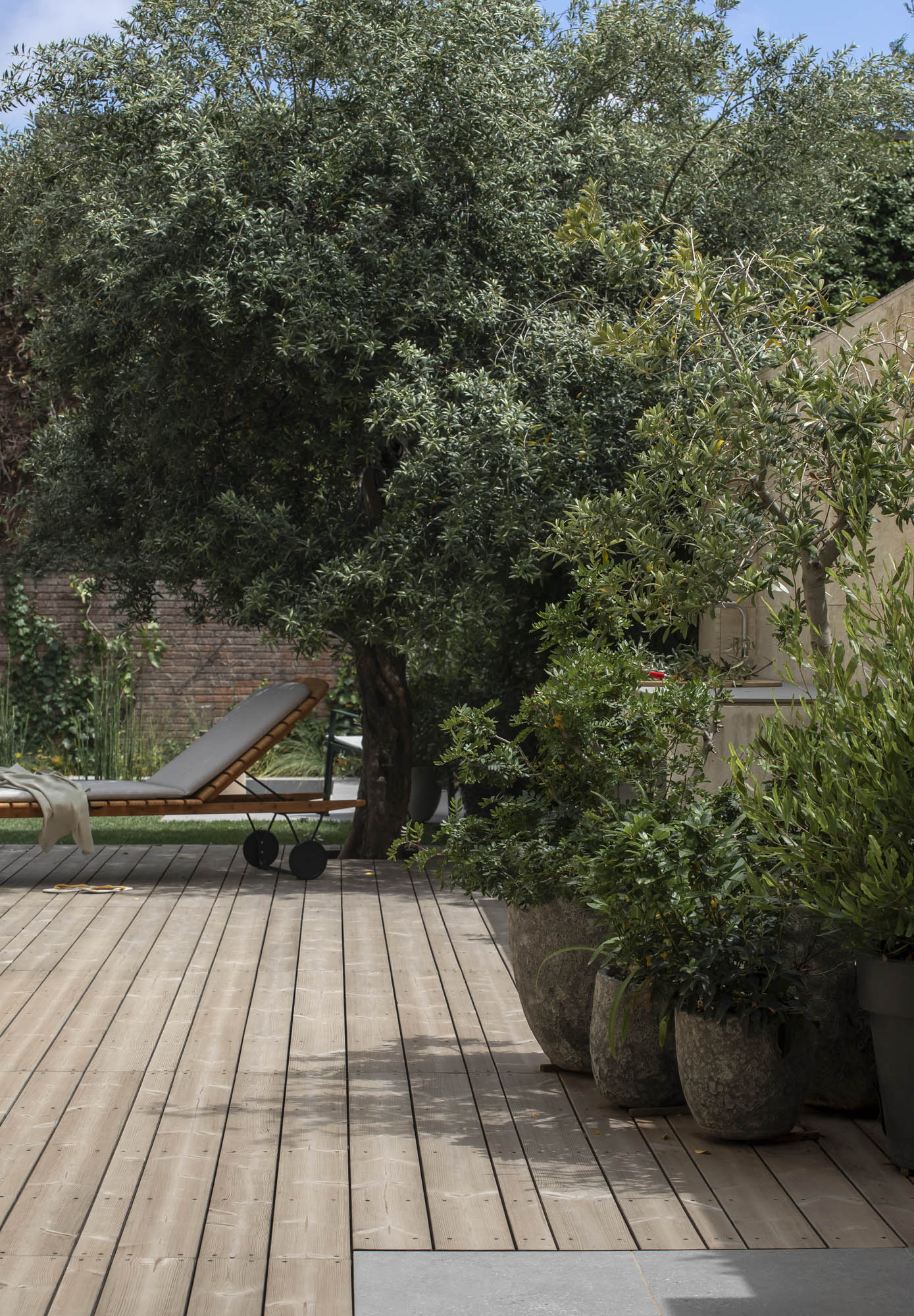
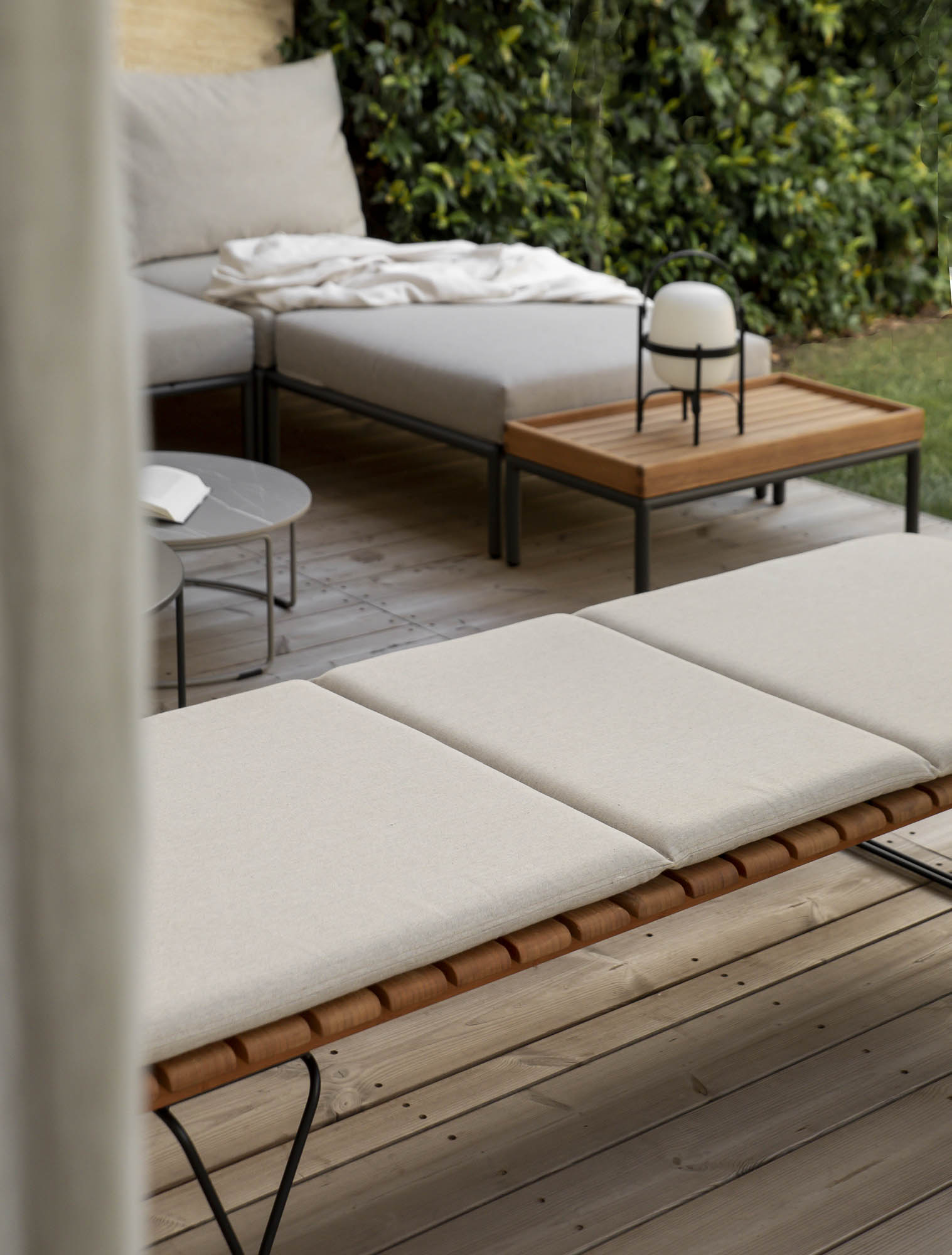
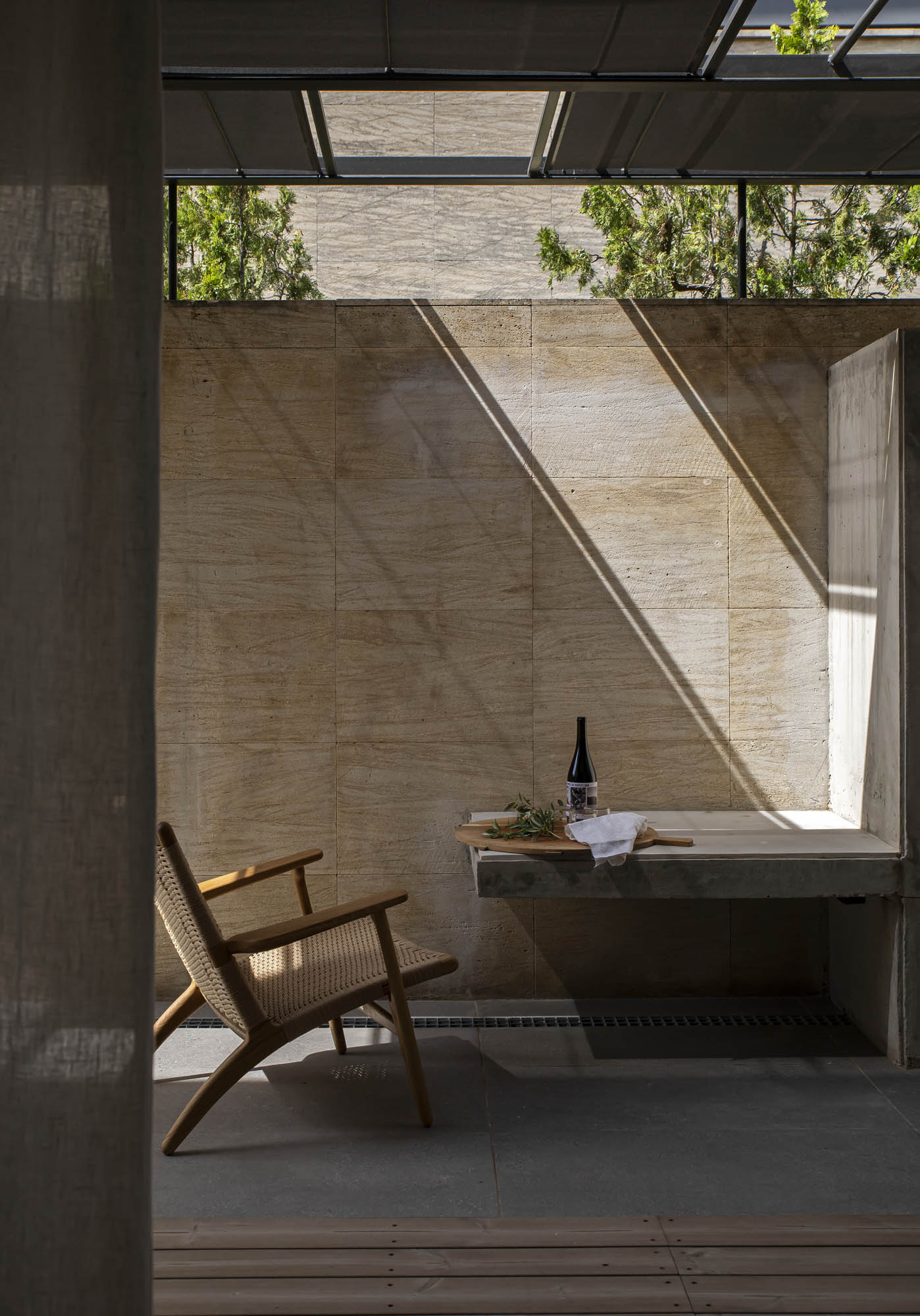
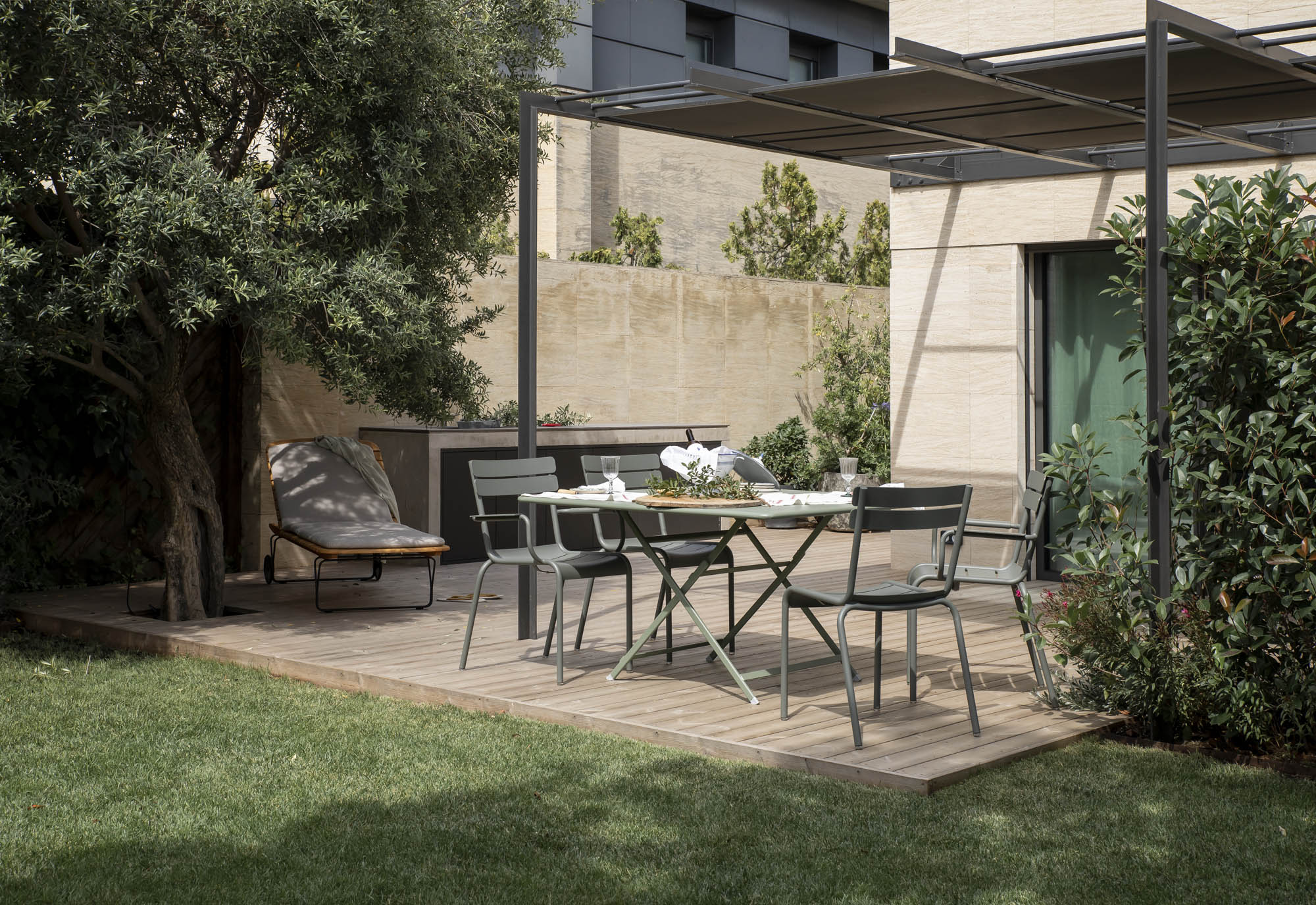
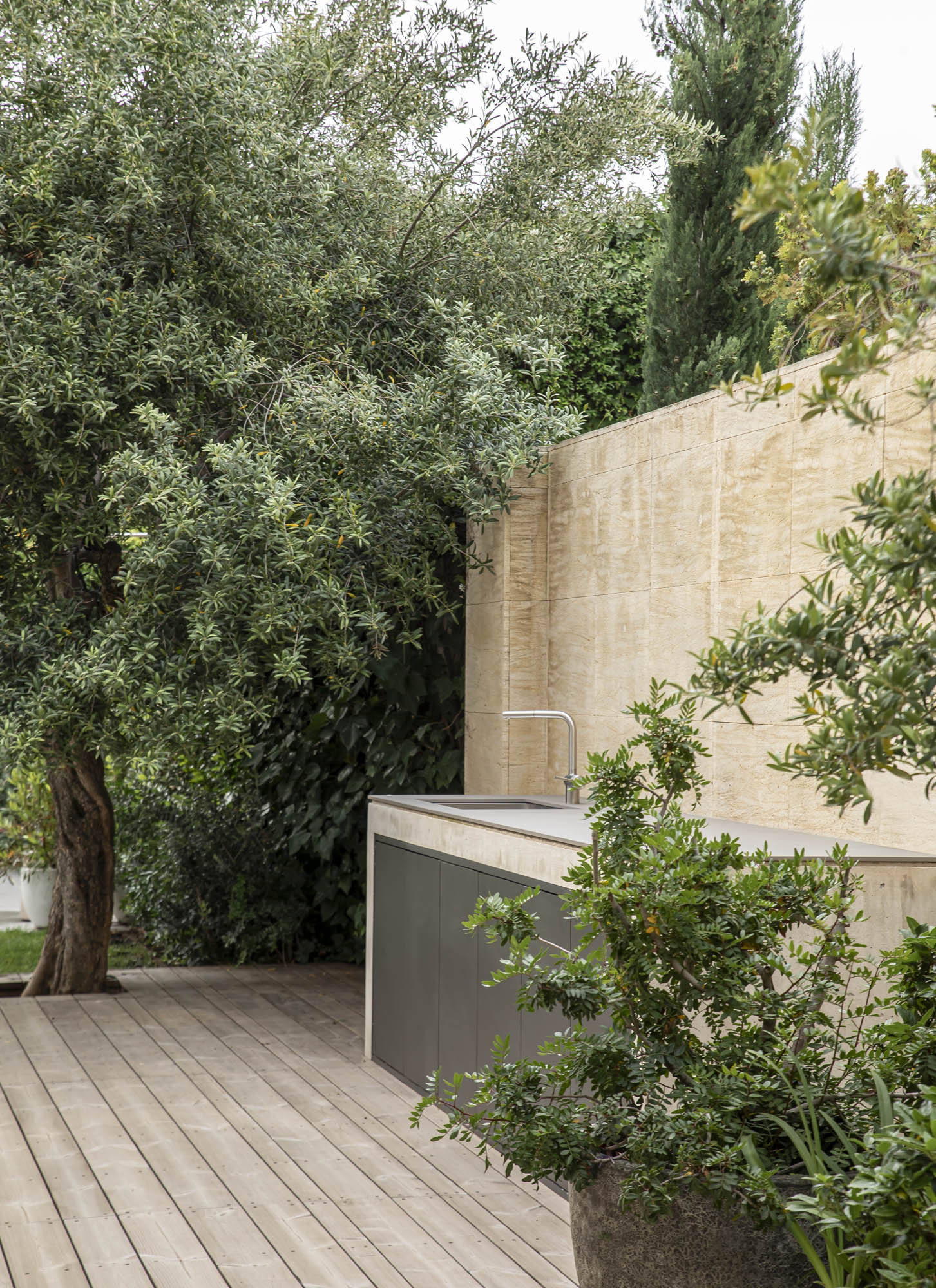
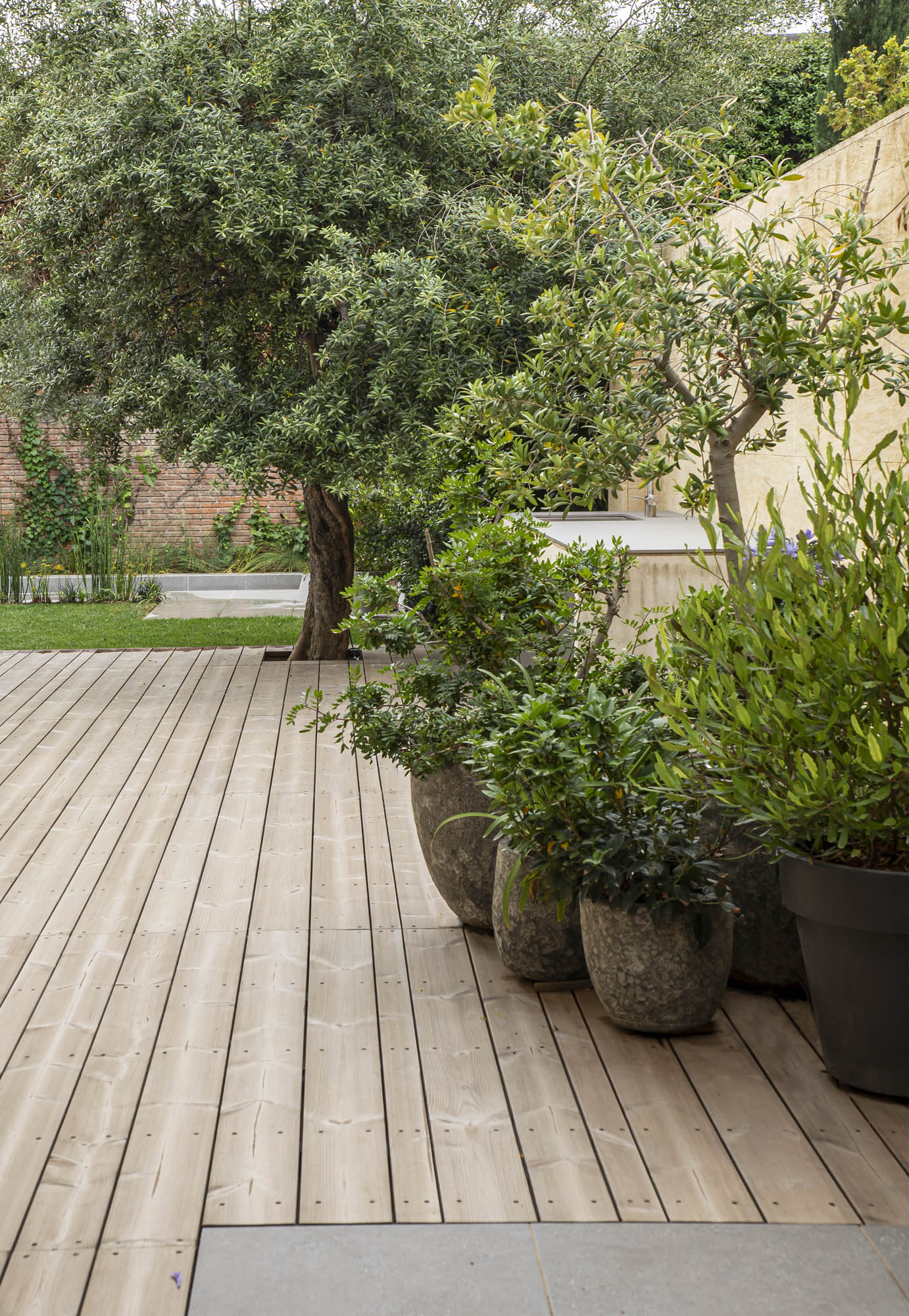
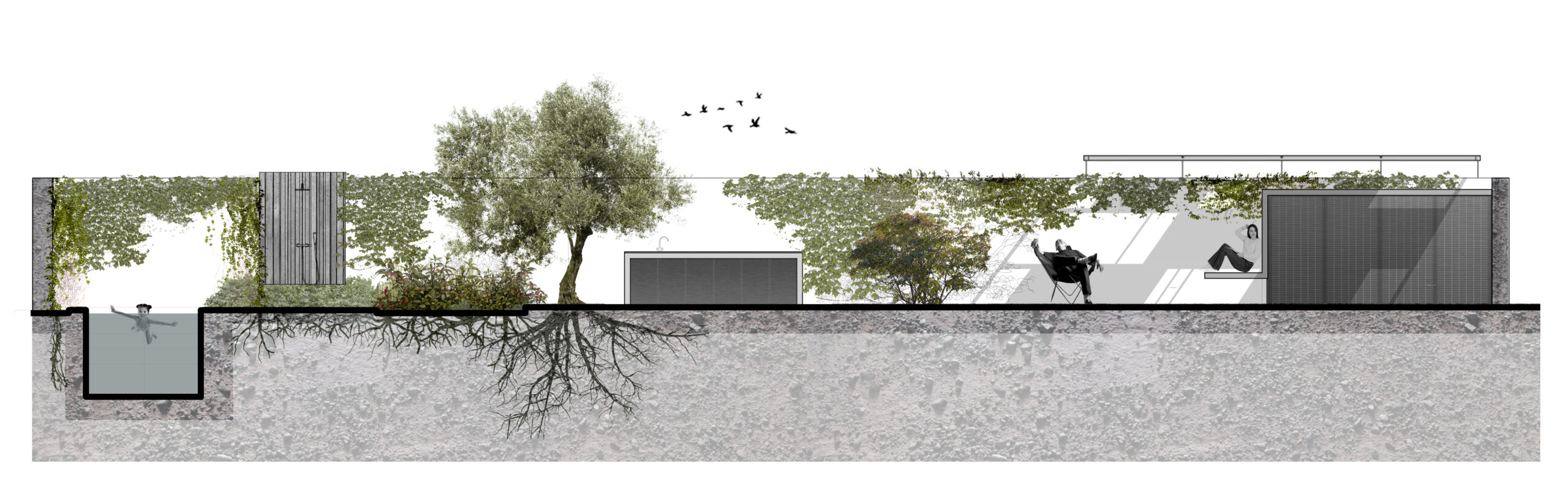
It became evident in our project that we conceive the home + garden as the same organism. We managed to give the garden a more organic character, adding value to the whole by providing the necessary programmatic space. The dynamism in the project is not only perceived in the circulation, but also in the way we alternate materials and different solutions to create rich volumes, transitioning from a confined space to an organic one. We advocate for the unity of level and materials as an extension of the interior. The fixed furniture, designed and built on-site, defines the structure of the garden, and whether made of wood, concrete, stainless steel, or iron, they continue the discourse of the interior space, offering comfort and durability.
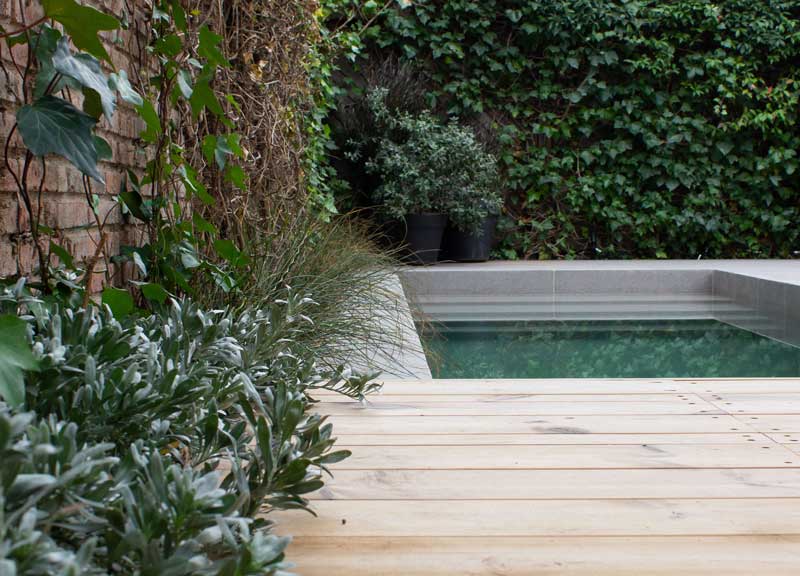
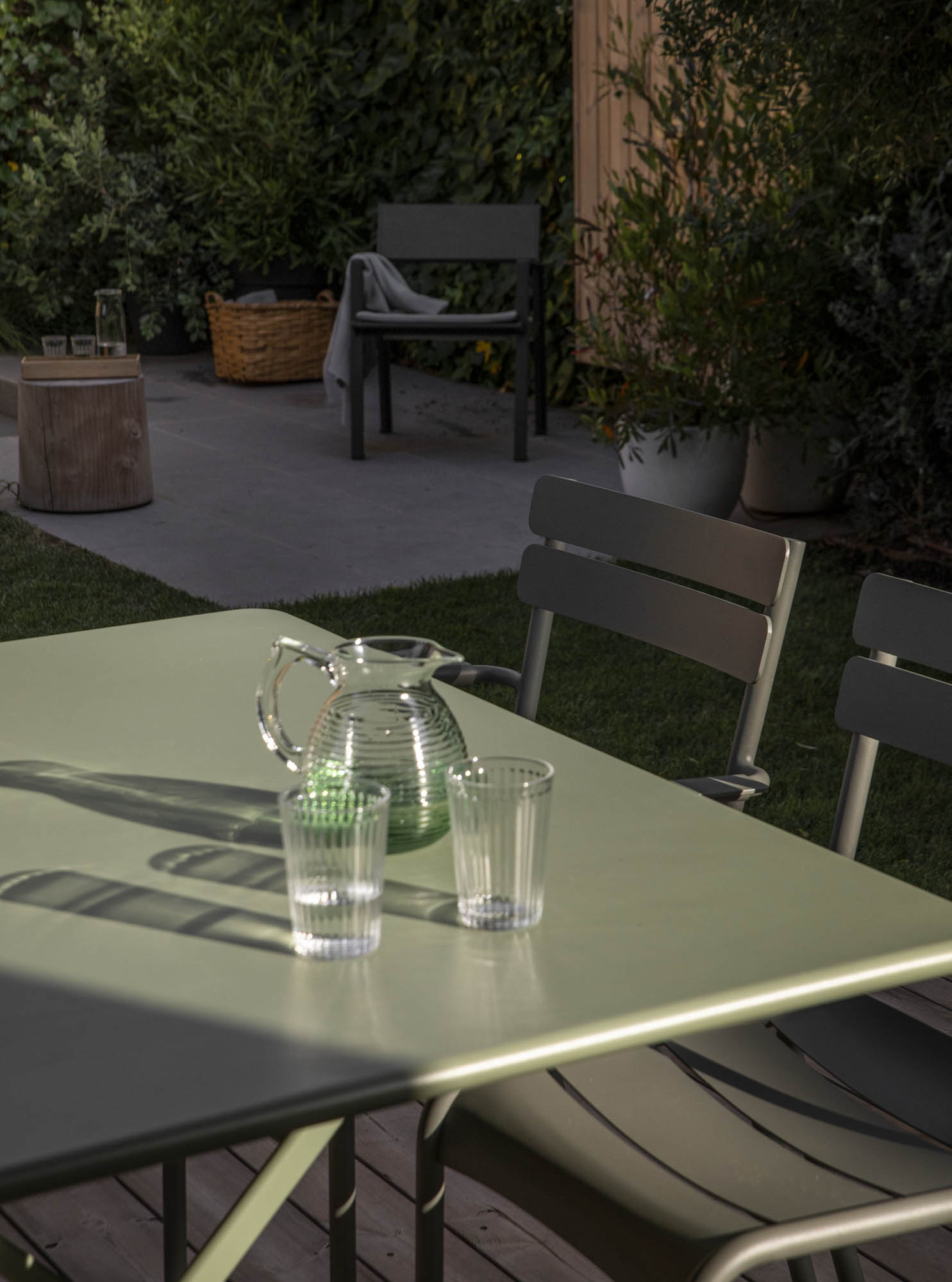
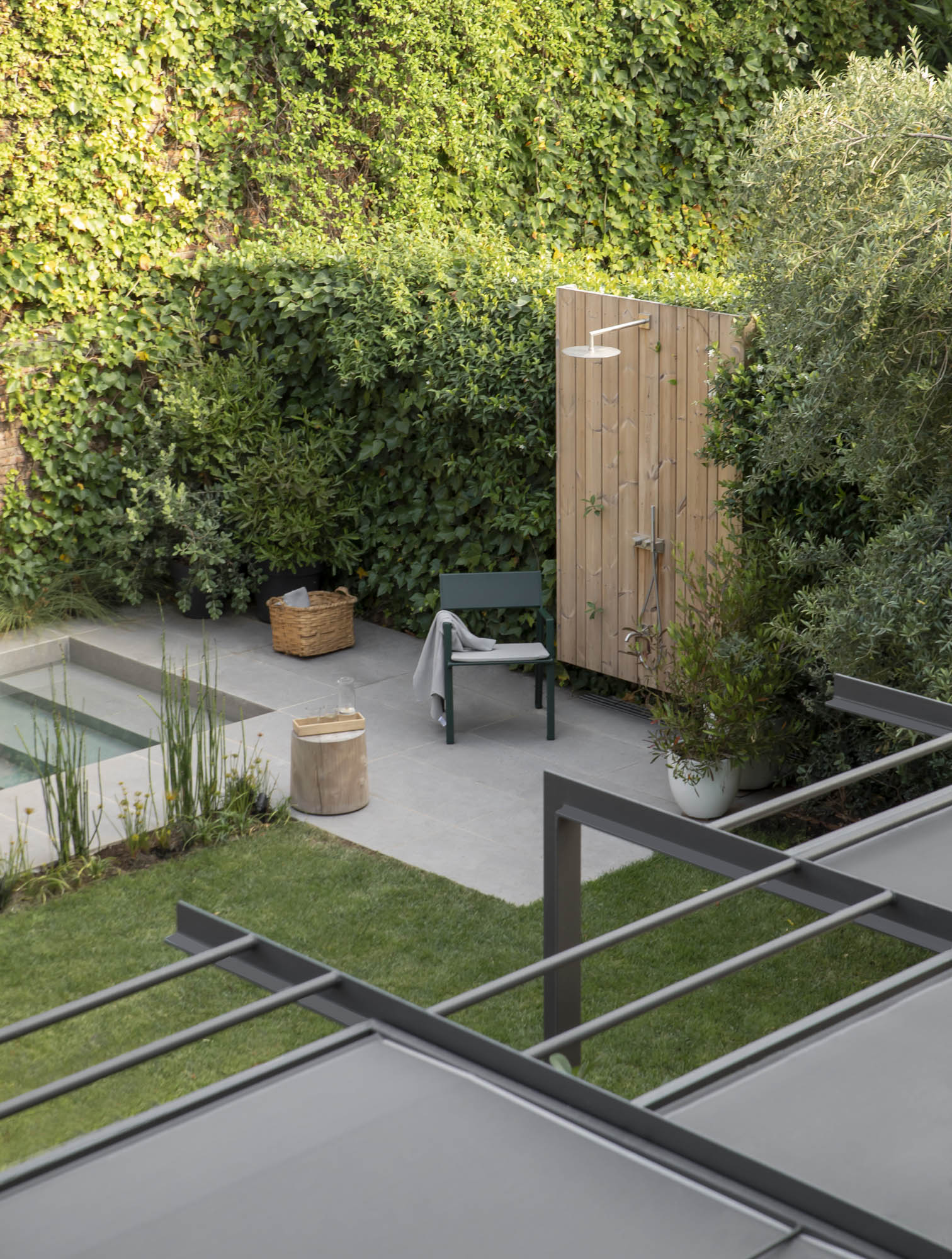
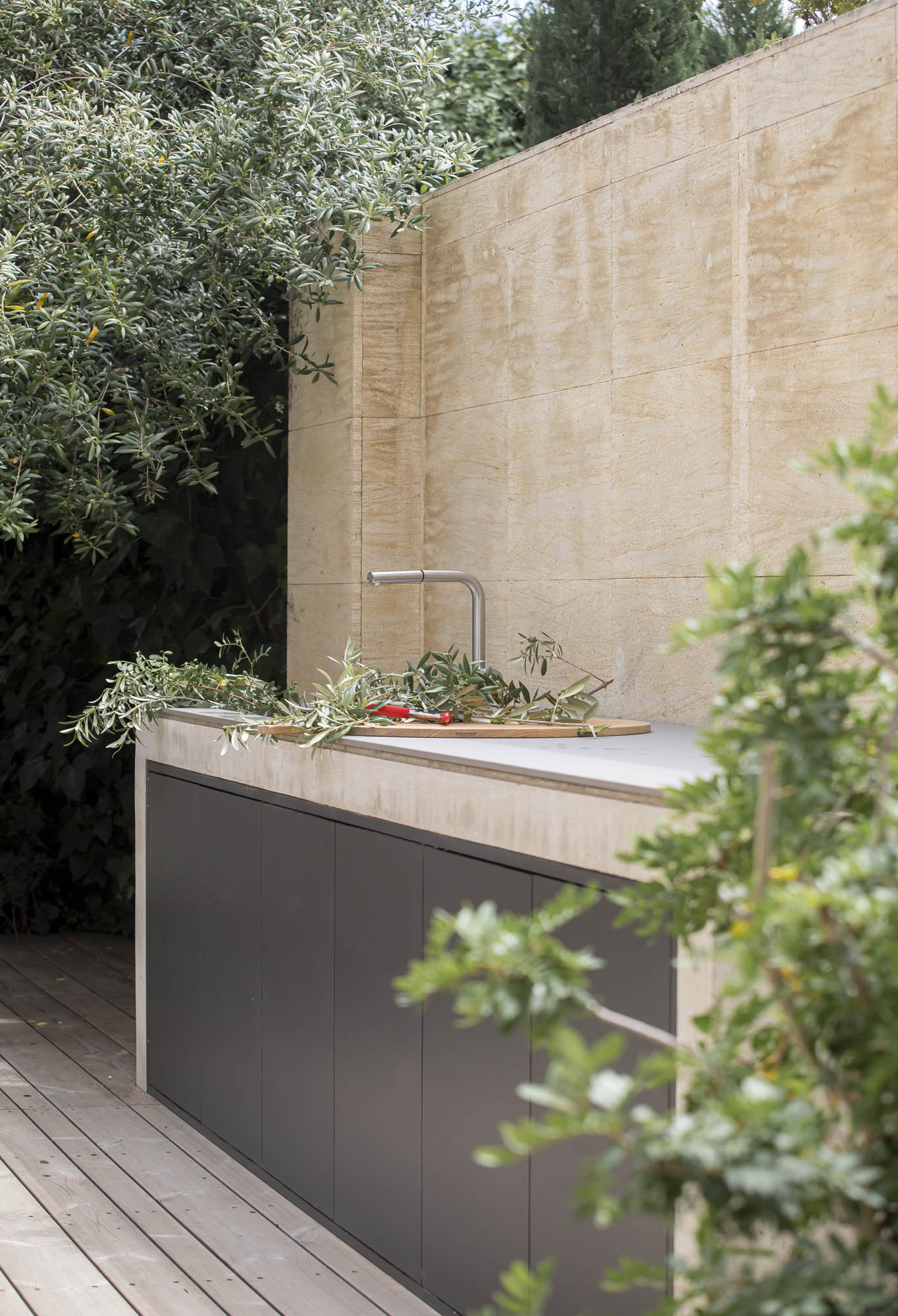
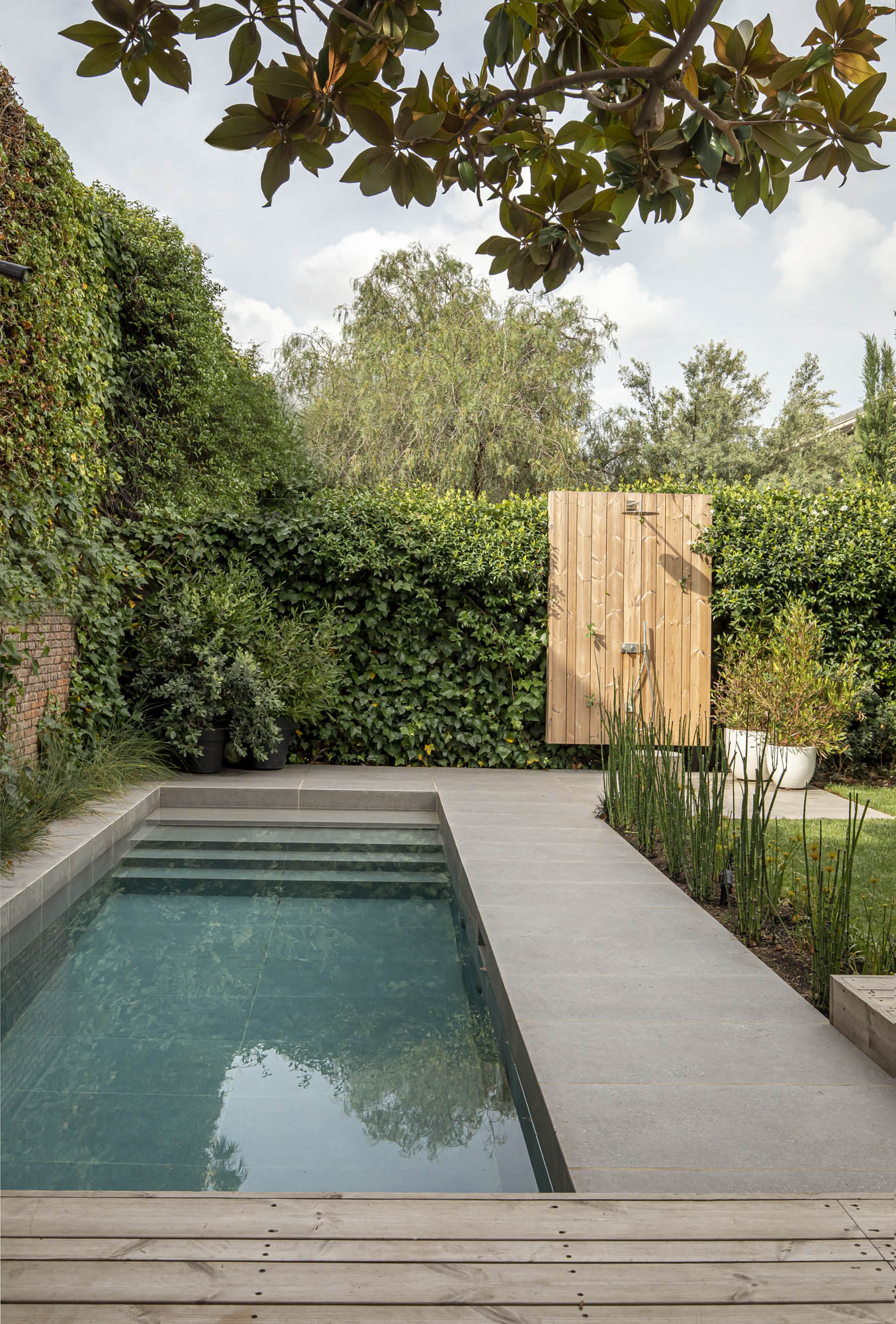
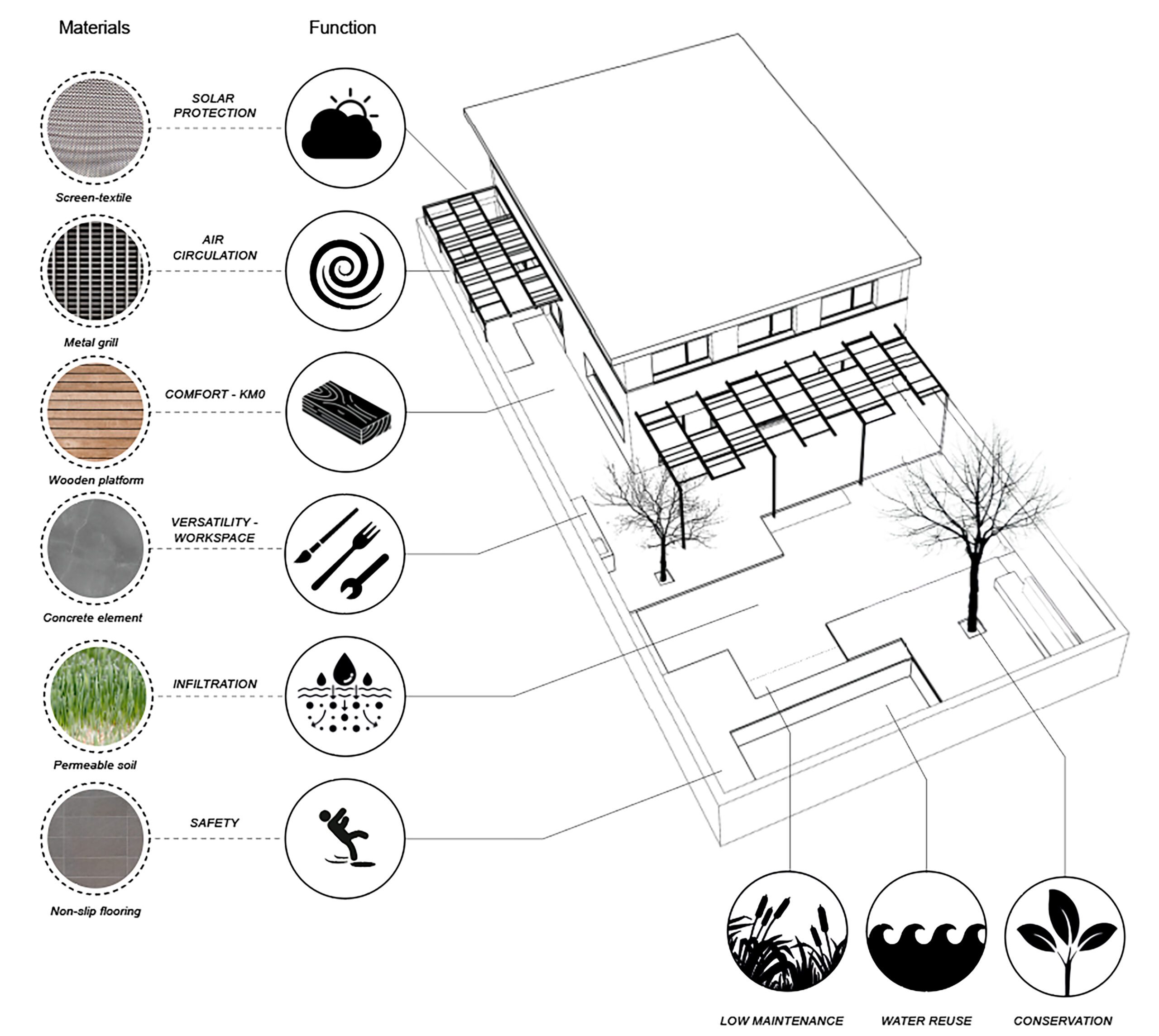
We redefined the program and the wet areas of the garden according to aesthetic, functional, and water management efficiency criteria, with a more proportionate pool and an outdoor dining area protected from rain and sun. To achieve this, we incorporated a pergola with movable panels that bring dynamism and shade to promote air recirculation and natural thermal control inside the house. At the same time, it allows us to provide a more comfortable space for users, adapting to the solar incidence according to the time of year. We also added an outdoor kitchen module that doubles as an artistic workshop and streamlined the facilities to have a new access to the garden from the street, very practical with children.
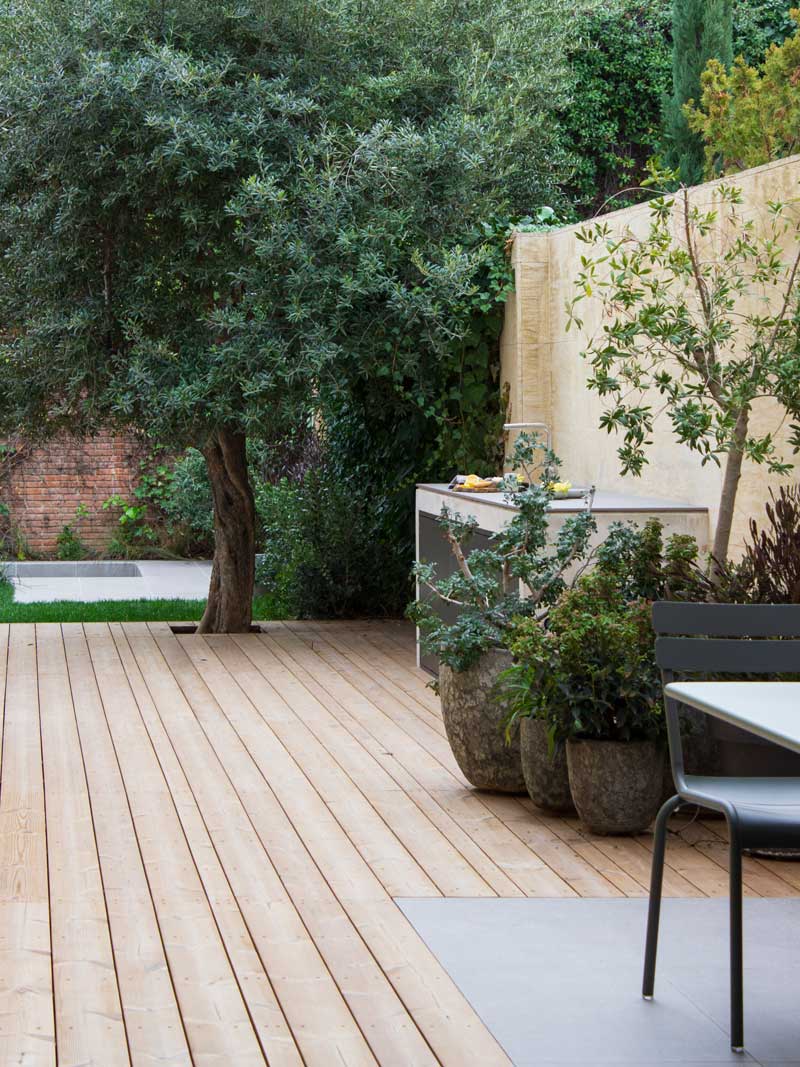
“Allowing for multiple circulations at once was one of the challenges in this garden: from a service and maintenance entrance, we transitioned to gaining direct access from the street, opening up the house and the garden”.
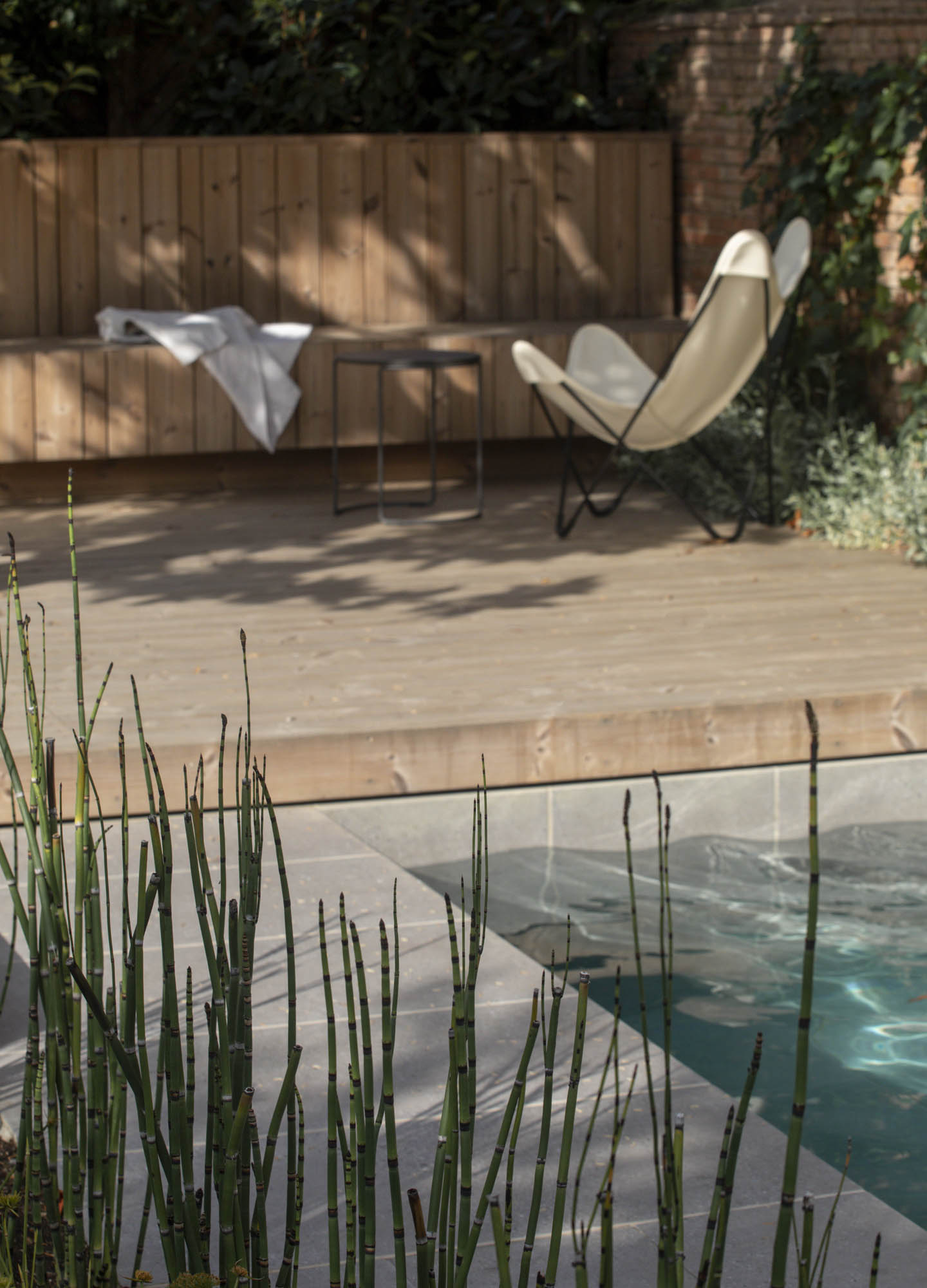
In our intervention, we opted for tools that would allow us to manage water more efficiently. The water used in this project comes from untreated and unmanaged wastewater, which would otherwise be lost. The pool was supplied with saline water from aquifers.
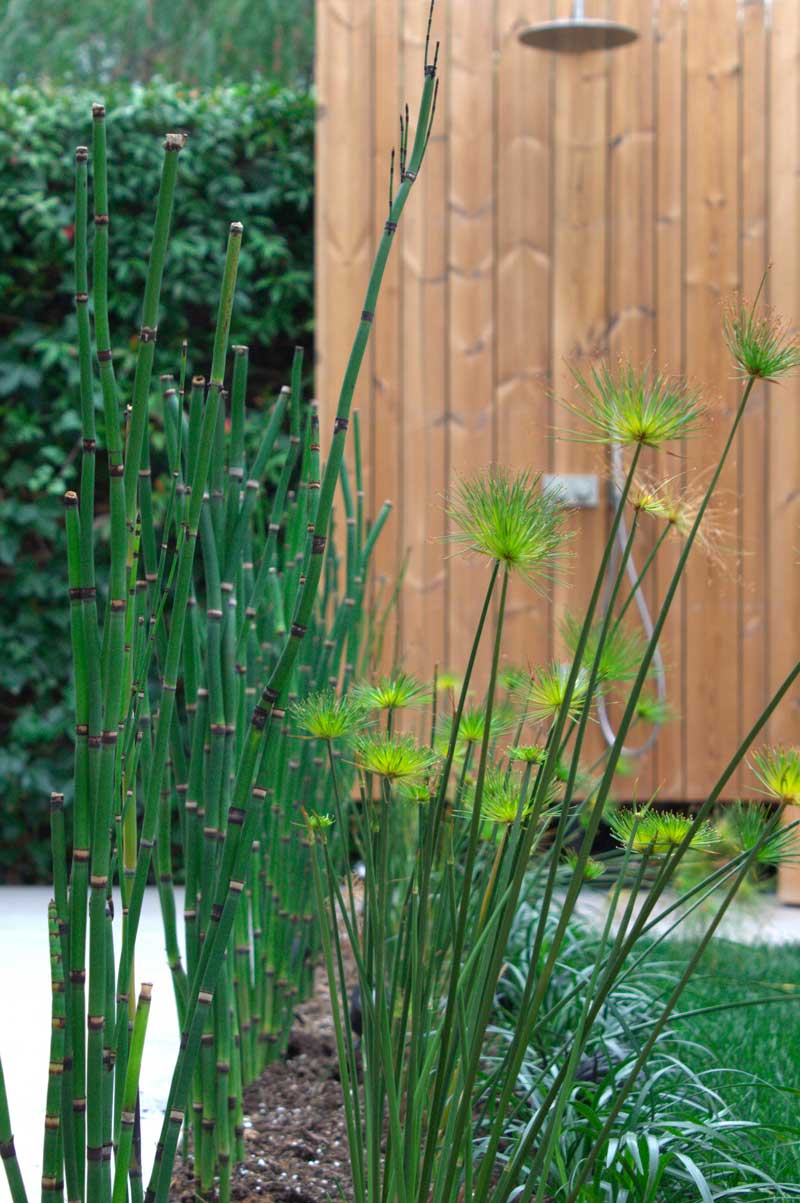
The vegetation palette was organized into groups based on growth type and functionality, integrating existing elements to be preserved. As a particularity, we sought variety and richness of colors and textures to create a lush and inviting environment. We used a careful selection of pond species, such as Equisetum hyemale, Cyperus haspan and Juncus effusus, which reduces the need for intensive maintenance and benefits from the excess water of the wet area of the garden.
The project not only succeeds in aesthetically enhancing the environment but also demonstrates that synergies can be fostered between actors in an urban landscape and the productivity of space, with efficient use of available resources and promotion of sustainable practices.